Toward the end of WW2, the 2nd New Zealand Division (affectionately called the Div) fought in Italy, and took part in fierce bloody battles, fighting in places such as:
- Monte Cassino
- Rimini and the Adriatic Coast
- The Gothic Line
- Po Valley
*The men of the Div endured harsh winters and 18 months of gruelling combat before ending the war in the city of Trieste in May 1945. The legacy of the campaign was profound and long-lasting: more than 2100 New Zealanders were killed and 6700 wounded during the liberation of Italy; placenames like Orsogna, Cassino and Faenza continue to evoke the memory of their contribution and sacrifices.
*(NZ History online)
Although I wrote this story a number of years ago, On the Wings of a Rosella, has never featured on my blog page previously. It’s a story I’m proud of and it features in my short story anthology – The Front Step.
The backdrop of this story touches upon the controversial observations and studies presented by U.S.A. Brigadier General S. L. A. Marshall, who suggested in his book, Men Against Fire, that fewer than 25 per cent of soldiers fired at the enemy during combat. His analysis of this claim remains contested and in no way reflects the bravery of men and women who have had to endure war and fight.
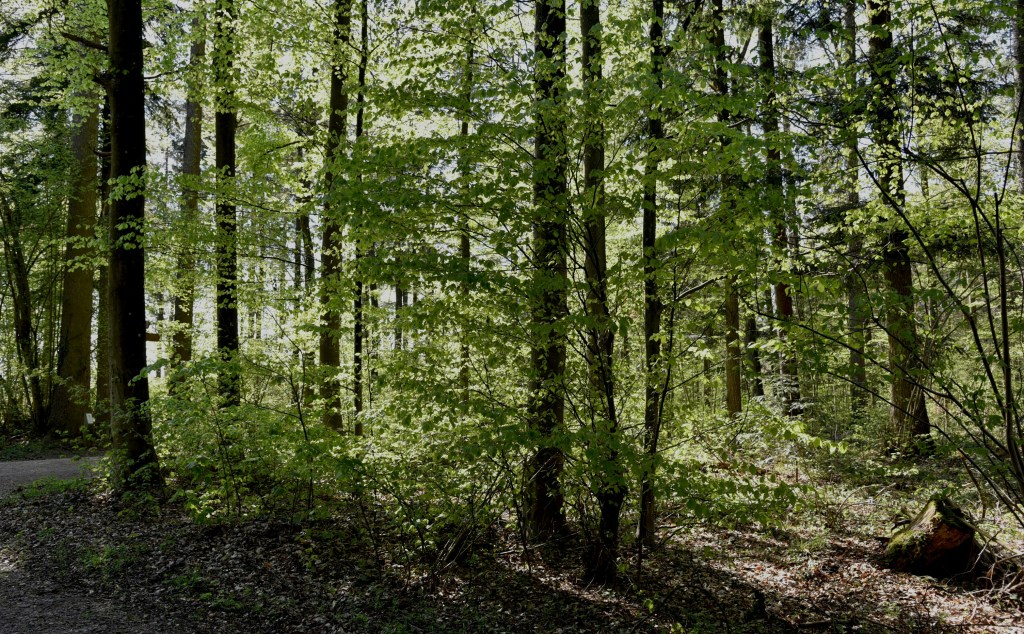
The story is set in a woodland on the approach to Monte Cassino.
The Front Step – Kindle edition by Andrews, Roly. Humor & Entertainment Kindle eBooks @ Amazon.com.

On the Wings of a Rosella
Private Sothern peered into the black. Someone was moving toward him.
His eyes scanned the woodland.
Who put those blasted trees there?
Soft, creeping footsteps lightly scrunched the litter layer.
“Halt! Who goes there?”
No answer.
“Stop! What’s the password?”
No answer.
Sothern gulped and steadied himself.
“Stop, or I’ll shoot.”
“No, you won’t, Sothern. Stand down.”
“Shit, Sarge, I could have shot you.”
“We both know that was never going to happen. Quick, move aside.”
Sergeant Nikau jumped into the roughly fashioned slit-trench. There was room for two – barely.
“Cigarette?”
“Sarge, I’m on watch. No thanks – against regs.”
“It’s okay, Sothern, words come through. Jerry’s fallen back. We should be safe tonight. I’ve come to tell you we’re going hunting in the morning. The platoon is going on patrol at 07.00. Get some rest.”
“I’ll take that smoke then, Sarge, thanks.”
“By the way, you’re a good soldier, Sothern, but a fuckin’ useless watch.”
Both men lit up and inhaled deeply. They leaned against the earthen mound, staring into the starless night. Sarge sniffed the air.
“Is that me or you?”
Sothern smiled. “Sorry, it’s the rations, Sarge.”
Both men silently prayed that the breeze would pick up.
“As I was saying, you’re a good soldier.”
“Thanks, Sarge.”
“You follow orders, never complain, you’re strong and fit. You mix well with the lads, and you’re smart.”
“Jeez, Sarge, are you asking me out on a date or something?”
“Shut up and listen. Don’t be a smart arse. I’ve seen you save your mates many times. Quick thinking, good instincts, you got it all, kid.”
Private Sothern took another drag and waited for the next volley, wondering when the stinger would hit.
He didn’t have to wait long.
“But do you know what, Private? In the 18 months I’ve been your Sergeant, I’ve never seen you kill an enemy soldier. Not one.”
“But, Sarge…”
“Shut up, Sothern, hear me out. You’ve had plenty of opportunities. I’ve seen you aim, even shoot. But you never hit anyone. I remember training you at the range. You were a good shot. I’ve regularly inspected your rifle, its barrel, and sights. There’s nothing wrong with it.”
“But, Sarge…”
“Don’t make me hit you, soldier. Shut up – I won’t tell you again. We all have jobs to do; every war is the same. The lieutenant’s job is to steal land from the enemy. Occupy space, so to speak. The captain’s job is to steal more territory, the major’s even more, and so on up the chain.
“Your job, and every other private and corporal in B company, is to kill enemy soldiers, so the lieutenant can more easily steal some territory. My job is easy in comparison. My job is to try to stop you and the rest of the platoon from getting killed. Make sense, so far?”
Sothern nodded.
“Good… well, Sothern, you ain’t doing your job, son! So, we are about to have an impromptu performance review. It’s not that you’re not brave – quite the opposite. For anyone to willingly run into danger, situations where they are being shot at, knowing they won’t defend themselves, is either brave or crazy – perhaps both.
“I’m no statistician, but I reckon as many as one in four soldiers shoot to miss. We’ve had them in B Company before, and we have some now. I reckon you’re one of them. These guys don’t usually last long; they come and go, get killed, get replaced. That’s the cycle of war. They either run into bullets, get taken prisoner, or go mad. But not you.”
Sothern stiffened.
“Relax, Sothern, this isn’t 1914. You won’t be shot at dawn or put up on charges. Believe it or not, I want to keep you around. As I said, you’re a good soldier, apart from not killing anyone. Anyway, tell me I’m wrong; it’s your turn to speak now.”
Sothern thought for a minute.
“I’m not crazy or brave, Sarge. I do what the army wants me to do. I believe in this war; I believe it’s just. I’m not a conscientious objector. I want to serve my country, play my part, and make my family proud. I’m not afraid to die and fully understand war’s consequences, but killing is against my personal beliefs. I’ve always felt like this.”
“You have never killed anything, Soldier?”
“Just once, Sarge, and I felt sick afterwards. When I was a kid, my uncle took me fishing. He caught a trout. He played it a bit, then slowly reeled it in. I scooped it up in a net he brought with him. My uncle was excited, jumping up and down, yelling and screeching like he’d backed a winner at Ellerslie. Then, he told me to kill it. I gently pulled the fish from the net. It was spent and had given up the fight. It lay still in my hands, staring at me, gulping for air. Our eyes met, and I thought, What have you ever done to deserve this?
“‘Go on, lad, kill it,’ my uncle insisted, handing me his knife. ‘Bang it hard on the head with the knife handle and then push the blade through its eyes to kill it.’”
Sothern shuddered. “Anyway, I don’t eat fish anymore, and I’ve not killed anything since.”
Sarge handed Sothern another cigarette, cupped his hands and lit his own before passing his lighter. He paused and sighed, peered into the dark, trying to make sense of the nothingness before him.
“This is a cursed place, a forest with no animals, no birds. Filled to the brim with scared soldiers and the trapped souls of the damned.”
He paused again before adding, “You and I are very similar, you know.”
“I don’t think so,” Sothern coughed. “You’re the meanest and toughest guy I’ve ever met.”
Sarge smiled. “You ever see me kill anyone?”
Sothern thought for a moment. “I’ve seen you shoot plenty. Our platoon and all of B Company think you’re a bit of a legend. A right hard arse.”
“Who’s asking who out for a date now? You flatter me. Yes, it’s true I’ve shot many, too many, but did you ever see them fall over dead?”
“I can’t say that I have – but I can’t say that I’ve looked either. In the smoke and confusion of a firefight, your eyes are searching for the next kraut, not the last.”
“Well, I’ve shot many, but not to kill. I aim to maim. I set ‘em up, and you guys bowl ‘em over. A wounded soldier takes out two or three others from the fight. It’s human nature to help, so I set them up like a crate of beer, and you guys knock the tops off them. It makes life easier, keeps you guys safer.”
Sothern looked at his sergeant. He was not the man he thought he was. “Why don’t you shoot them dead?”
“Like you, son, I hate the thought of taking another life, so I give you guys the privilege.”
“Surely, killing them by proxy is the same thing?”
“I told you you were smart, didn’t I? But no, it’s not the same thing. Let me tell you why.
“You ever seen a Kea, Sothern?”
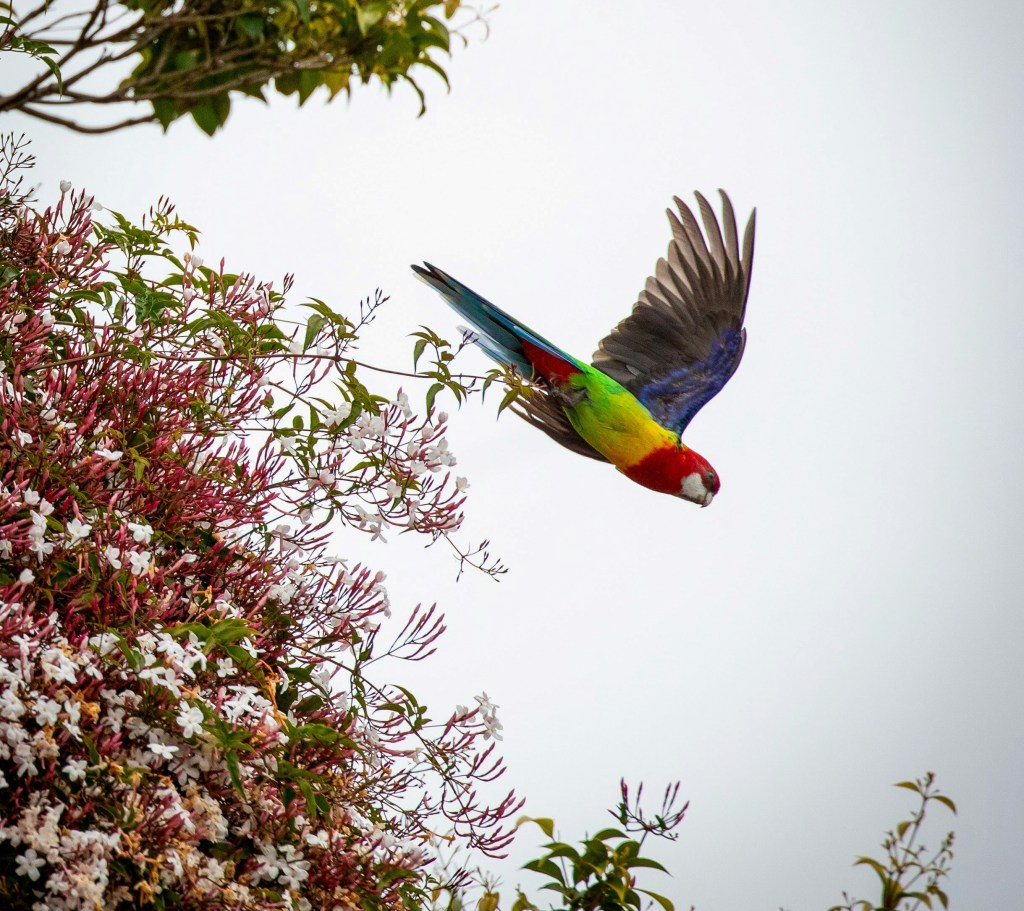
“No, we don’t get them in Auckland. We do get parrots, though, but not mountain parrots like Kea’s. They’re little ones called Rosellas. Beautiful little birds they are. Brightly coloured, incredibly bright – so bright they look like they’ve been dipped into paint pots. Why do you ask?”
“When I was a younger man, I spent a lot of time in the Southern Alps. I’m a ‘coaster,’ so it’s only a hop, skip, and jump into the mountains. I’d head up the Arahura, the Hokitika, or Taramakau rivers whenever I could. Explore their headwaters and their tributaries – wander about the tops. People thought I was mad. In those days, you only went up into the mountains if you were a hunter or a climber, never for the joy of it. I didn’t care. You get a certain kind of freedom and peace on your own in the mountains. Being a city boy, you might not understand, but to me, it’s kinda spiritual.
“There was one time I was at the top of the Whitcombe, way up on the Ramsey Glacier. I’d heard about a mystery hut on the southeastern side of Mt. Butler. It wasn’t on any maps, and no one I knew ever went there or talked about it. That is, except for my old man. He was the one who told me about it. He swore it saved his life when he was a young fella. He said he’d been caught out in a storm and needed shelter. It was a virtual whiteout, but he somehow stumbled onto this hut. He told me about it just before he died. So, I wanted to see if it was real or still there.
“He said the back half was built into the mountain. The front half, cobbled together with ramshackle timber boards and crates, the flotsam and jetsam of high-country life, a place where nothing gets wasted.
“The only problem was that my old man was prone to talking shit. You never knew with him whether what he told you was real or not. But he told me this hut was special. He said it was a place that saved his life and changed it, too. Although he never bothered to tell me why. So, I decided to check it out for myself.
“It was getting late in the afternoon, and I needed to get below the freezing point before sundown. I was well equipped, but a night bivvied by a glacier was not my idea of fun. So, I headed true left and walked out via the Rakaia River. Forty minutes later, I traversed a spur and spied a hut four hundred yards further along a narrow ledge, about one hundred yards higher up. There was no need to check my map – this hut wasn’t on it or any other I’d seen. I smiled. My heart beat a little faster. It took nearly thirty minutes to get there; such was the rugged terrain. Sure enough, it was as my father described. A ramshackle hut, with its back half carved out of the mountain, the front half a hodgepodge of miscellaneous planks and boards. I grinned. It felt good to be standing in the same place my father once had.
“‘Who’s there?’ came a gruff voice from the hut’s interior.
“‘My name is Nikau. What’s yours?’
“‘Tomlinson. You staying the night?’
“‘Yep, you better call the housemaid and get her to turn my covers down.’
“An old man stepped out of the hut. He wore tired, holey long johns and a long, wispy white beard.
“He had a wry smile on his face. ‘You gotta smoke?’ he asked.
“‘Nah,’ I replied.
“I didn’t smoke in those days. I only started smoking a few days later.
“He lit up one of his own. ‘Where’s your rifle?’
“‘I’m not a hunter.’
“‘Your pack tells me you’re not a climber either, so what are you?’
“‘Just a guy who likes the mountains.’
“‘A fucking weirdo, more likely.’
“Charming, I thought.
“I smiled; the guy had a way with words.
“‘You want a brew?’ I asked, trying to be civil.
“He nodded, drew on his smoke, and then scratched his arse. It was going to be a long night.
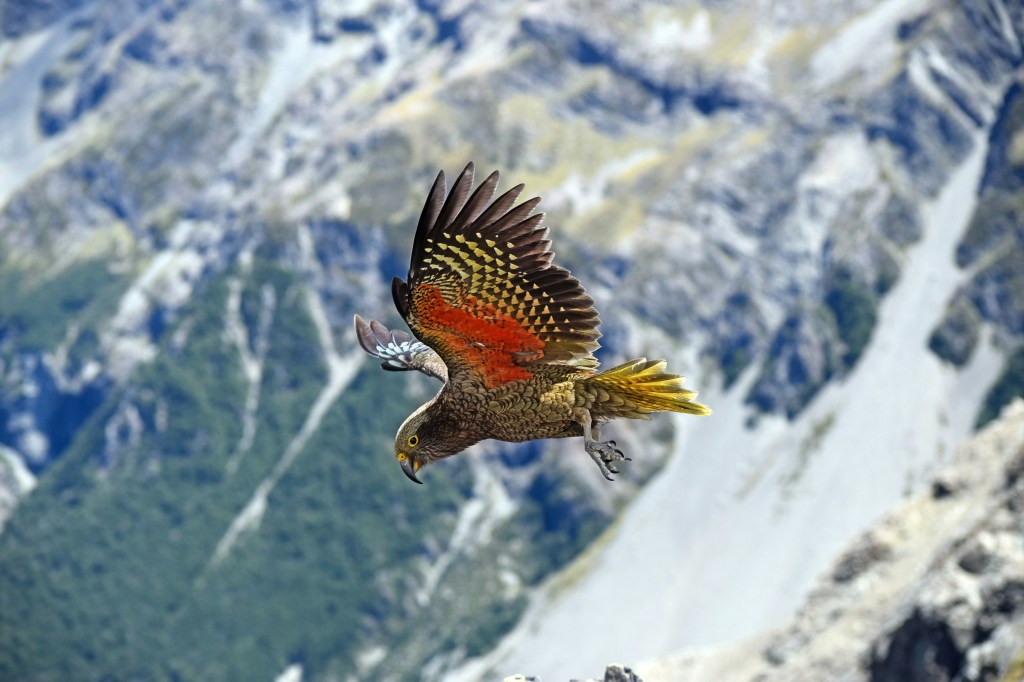
“He was a guy who didn’t have much to say. He wasn’t interested in answering any of my questions or conversation starters. So, I let him be. That was until a trio of Kea flew in. The old man clearly knew them. He even had names for them. I will never forget them. He called them Birth, Life, and Death.
“And he called me weird!
“He hand-fed them, and they wandered about him, relaxed. They got really close. Stood right next to him. I’m sure they would have happily sat on his shoulder or lap if he had let them. The birds trusted him, and they chattered away. They shared an intimacy I’d never seen before between bird and man. They treated him like an old friend. Despite my best efforts to join in the fun, they completely ignored me.
“‘Don’t take it personally,’ Tomlinson said. ‘The birds and I have been friends for years, for decades. And they’ve come to say goodbye. They know tonight I will pass, and tomorrow I will be gone. You will have to find another friend to trick and tease, won’t you, my cheeky lovelies!’
“Unsure what to say, I pretended I didn’t hear what Tomlinson had said.
“The sun faded; it became cold. The birds took off, screeching loudly as they flew by three times before disappearing into the valley below. I looked over. The old man had tears in his eyes.
“He stared into the valley, eyes searching, then, satisfied they were gone, checked out the brightening stars. ‘It’s a good night to die,’ he pronounced. ‘The birds, the Kea’s, see me as a man of virtue. Are you a man of virtue, Nikau?’
“‘I suppose so,’ I answered. ‘Never thought about it before.’
“‘Have you ever killed anyone, son?’
“‘No, of course not.’
“‘Years ago, the birds gave me a gift,’ he said softly. ‘When men and women of virtue die, I can see their souls leave their bodies. I see their souls emerge from their bodies and sit on their chests. They take the form of beautiful Kea’s. They sit proudly, then spread their wings before suddenly taking flight, just as they have this evening. Have you ever seen the underside of a Kea’s wing?’
“I smiled. ‘Yes, they are magnificent, vibrant gold, orange, red, blue, and green. Stunning.’
“Again, in a soft tone, he added, ‘They are the same colours of virtuous souls. The more vibrant, the more virtuous.
“‘The birds gave me this gift—the gift of seeing people’s inner beauty. Seeing the souls of my loved ones and friends fly off to a better place has given me great comfort. I have seen, too, the occasional person die, where the birds did not appear. These people truly died on the day of their passing.
“‘The gift also came with a blessing. Some might see it as a curse, but I see it as a treasure. It is the knowledge of when one will pass. This is the reason I know I will die tonight. I will not see the morning sun or feel its warming rays. This is my last sunset, and I have enjoyed and savoured every moment of it.’
“‘I don’t know what to say,’ I said, ‘but if you do pass during the night, which I hope you don’t, I will look forward to seeing a mighty Kea sitting on your chest in the morning.’
“The old man smiled. ‘I have led a virtuous life. I have not killed. I look forward to my salvation. Very few, if any, can say that, even if they believe it to be so. There is always doubt, but not for me.’
“‘Are you telling me only those who have not killed will be saved?’
“‘Yes,’ he said solemnly.
“‘Bloody hell, the knights on those crusades would have been pissed!’
“The old man chuckled for the first time and perhaps the last.
“‘But before I pass, I have one more duty to undertake. The Kea’s have instructed me to pass my gift onto the next custodian.’
“I became anxious. I knew I was the only other human around for miles.
“‘I suppose you are going to tell me it’s me!’
“The old man nodded, then stood up, placing his hand on my right shoulder. His grip was surprisingly firm, and I felt a rippling sensation along my collarbone. He retired to the hut. I heard him shuffle into his sleeping bag and start snoring twenty minutes later. I sat up, watching the sky, feeling uneasy, feeling unsure. Was the old man mad? The morning will reveal everything, I thought. There was no point worrying over something that might never happen.
“But it did.
“Sure enough, when I woke just before 5 am, Tomlinson wasn’t breathing. I tried for a pulse, but there was none. I held my watch face in front of his mouth and nose. No condensation settled. Just like he said he would, the old man had gone. I could do nothing for him except walk twenty-three miles to the closest phone at Mt. Algidus Station to raise the alarm. That would take most of the day, so I went outside and started boiling a billy to have breakfast and a cuppa.
“That’s when I heard a loud ruffling rustling noise from within the hut. I raced in to see the three Kea’s from last night sitting on Tomlinson’s chest. They eyed me up, Birth, Life and Death. I suppose they were checking me out. Their beady-piercing eyes softened, and they spread their amazing wings one by one, exposing the most beautiful kaleidoscope of colours I’d ever seen. Then they took off.”
There was silence in the trench. In the distance, both men could hear shelling, although it wasn’t close enough to be of concern.
Sothern wondered if he had been spun a yarn. Perhaps Sarge was as full of shit as he said his old man was. He waited for Sarge to continue, but after a few minutes, he hadn’t. He couldn’t help himself.
“Is that it?” he asked.
“Is what it?”
“The end of the story?”
Sarge turned and pressed his face hard against Sothern’s. Southern could feel and smell foul tobacco breath on his face. Despite the dark, he could see Sarge’s eyes drilling through him.
“It ain’t no story, soldier.”
“Yes, Sarge… I mean, no, Sarge. But you can’t leave me hanging. What happened next?”
“Well, this is where it gets a bit weird.”
Yep, he’s spinning a yarn, Sothern thought, rolling his eyes and smiling.
“When I reported it to the Station Owner at Mt. Algidus, he just laughed. He said I’d been duped by a local Taniwha known to haunt the upper reaches of the Rakaia. I said, ‘Bullshit,’ but the guy insisted there was no hut up there. And that he’d never seen anyone matching the description of Tomlinson wandering about the Station. He refused to ring the police; he said I would be wasting everyone’s time.”
“So, what did you do?”
“I turned around and went straight back up there. I wanted to prove; I needed to prove that the hut was really there.”
“Did you find it?”
“Nope, it was gone. Not a trace of it anywhere.”
“Fuck, Sarge, you’re having me on, right?”
“Nope, I told you before, this is gospel. I’m telling you the truth.”
“But how do you know?”
“Because I regularly see Kea’s crawling out of dead people’s chests!”
“So, it’s only Kea’s you see?”
‘Well, it is for me; I can’t say what it’s like for anyone else.”
“You’re kidding me.”
Without warning, Sarge belted Sothern’s head with a backhander.
“Hey, why’d you do that? That bloody well hurt.”
“Don’t ask dumb questions, soldier. I’m trying to have a life-changing conversation with you. Wise up.”
“Okay, okay. I get it.”
“War is hell, son. Killing is evil. You already know that. I’ve learnt that if you want your soul to fly free after your death, you mustn’t kill. So, you are on the right path, the road to heaven.”
“Oh, I think I get it. You’re trying to convert me?”
Sothern felt the fist before he saw it. His front teeth suddenly felt numb, and warm blood spurted fountain-like from his nose.
“Jeez, I think you’ve broken it, you fucking lunatic!”
“Harden up, kid. I went easy on you. Just listen to me: no dumb questions, no smart-arse comments.
“You asked why I don’t kill people. Well, now you know. I despair when I see soldiers from both sides, civies as well, die, and the Kea’s don’t appear. In about three-quarters of the deaths I see, the souls remain trapped. They die and wither away with the body. I said before, war is hell – but it’s also evil. Not because people die, although this is indeed a tragedy. It’s because most of the living will be forever damned for their misdeeds during the fight.
“But let’s get back to our little chat about your performance.”
Sothern grabbed his flask, took a drink of water, and gulped.
“Want some?”
“Nah, I’m good,” Sarge replied. “It’ll be a waste.
“Anyway, Sothern, as you know, Dixon bought it yesterday. That means we’re down a medic. I’ve spoken to the Lieutenant, and we agree you should take his place. This means you won’t have to carry a weapon. This means you won’t have to kill anyone. It gives you a chance to play to your strengths. It also means the platoon gets better value out of you. What do you think?”
“I’ve never had any medical training apart from basic.”
“B Company is going on rotation the day after tomorrow. You guys will get some R&R. Two weeks! The Lieutenant will get you some more intensive training then. Maybe hook you up with an aid station. Meantime, do what you can. You have good instincts, and I’ve seen you help Dixon out before. You will be fine. Yes?”
Sothern wiped the drying blood from his nose and lips onto his sleeve. He stared at it, double-checking it was his.
“I sure could do with some first aid knowledge and better training if I’m going to spend any more time with you, Sarge.”
Sarge laughed loudly, slapping him on the back. “Good man! And you needn’t worry about me hurting you again, soldier. Try to get some sleep now. We go on patrol in a few hours. I’ll leave you to get some rest.”
“Will you try and get some shut-eye, Sarge?”
“Nah, I think I’ll stay up and watch the sky. It’ll be nice to see a sunrise again. That’s if these damn clouds don’t close in.”
He grabbed his rifle, stood up, put his hand on Sothern’s shoulder to steady himself, and then easily stepped out of the shallow trench, quickly disappearing into the night.
Sarge was a big man, gorilla-like, with a monkey-wrench grip. He must have touched a nerve as pins and needles radiated down Sothern’s right arm. Sothern relaxed, shuffled his feet, and spread out. He suddenly felt calm and looked forward to the coming dawn.
As his platoon rallied for morning patrol, Sothern grabbed the medical kit that just a few days ago was the prized possession of Lance Corporal Dixon. He studied the crimson-spattered armband, the red of its cross smudged with Dixon’s blood, which then bled into the surrounding white. The irony wasn’t lost on him, and he closed his eyes in memory of Dixon. He was a good man. He half-smiled, wondering whether his inner bird had been released. He should ask Sarge, but not until his nose healed.
The first three hours of the patrol went well. The platoon crept northwards through vacant fields then more empty woodland. There was no sign of life or enemy. No birds, Sothern smirked. He was feeling good. He had a feeling that today wasn’t his day. He was positioned second to the rear in the first fire team. Unusually, Sarge had taken point, telling everyone he wanted to show how it should be done. The man was a skilled and fearless soldier. There was no doubt about it. It felt good to have him up front. The Lieutenant, who deferred to Sarge in almost everything, led the second fire team some two hundred yards behind.
“Contact!”
Sarge and everyone behind him hit the ground.
Rapid gunfire erupted, and the experienced soldiers from 2 Platoon instinctively crawled to take defensive positions. It was difficult to see, although the line of fire was coming from the west. They had been hit from their side.
Sarge took out his binoculars; six hundred yards distant, he spied a company-sized formation running over a ridge toward them. Their scouting party must have run into the advance patrol. The platoon would be outgunned within a few minutes and quickly overrun.
“Fall back,” Sarge commanded, “tell the Lieutenant to get out of here. Tell him to link up with the first and third platoons. There’s a whole company heading straight toward us. I’ll provide covering fire; give you guys some time to withdraw.”
One by one, the soldiers fell back, but Sothern stayed put. He wanted to see if Sarge would kill anyone. He was well hidden, fifty yards away from Sarge’s position. From what he could see, there were six enemy soldiers. One by one, they fell, but while their guns fell silent, the soldiers, still alive, screamed their heads off. Sarge was maiming them exactly as he said he did the night before. Only one enemy soldier now remained. He seemed a seasoned veteran, ducking and diving, running from cover to cover, getting closer and closer. He was closing in on ever-decreasing concentric circles. The approaching company was now within three hundred yards.
Sarge needed to get out.
Sothern decided to create a diversion to give Sarge a chance to either get a shot in or withdraw.
He got to his feet and yelled, “Hey, over here, don’t forget about me!”
Then he ran twenty feet and dived behind a large fallen tree. He landed on a wounded German soldier who shrieked in pain and fright. The diversion worked. He heard Sarge fire two shots and the remaining soldier scream. Sothern picked up the rifle lying by the fallen soldier next to him. He then stood and yelled.
“C’mon, Sarge, let’s get out of here, quick.”
Sarge immediately turned and sprinted back toward Sothern. Unexpectedly, the enemy soldier regained his feet and quickly aimed his rifle. The soldier had been foxing. He hadn’t been hit at all. His rifle cracked, and Sarge fell. He had been shot in the back.
For the first time in the war, for the first time ever, Sothern aimed a rifle at another human. In pure anger, he squeezed the trigger, and the German fell backward, screaming. It was a bullseye. The soldier had been hit in the shoulder. Sothern raced over to Sarge, rolling him over. There was nothing that could be done. The bullet had penetrated the lungs, nicked an aorta, exiting the body through his chest. He was only moments from death. Sothern decided to stay. It wouldn’t be right to leave him to die alone. He held Sarge’s hand while he passed.
Sothern took a moment. Then stood up to get out of there. It was then he saw Sarge’s shirt start to ripple and bubble. He crouched again, loosened the remaining buttons of his shirt, then watched in amazement as three Rosellas crawled out of Sarge’s chest. The birds were beautiful, with vibrant colours of gold, orange, red, blue, and green. Stunning! They sat on his chest for a moment, then spread their vivacious wings and flew away into the forest.
Pzzzzzt, pzzzzzt – two bullets whizzed past Sothern’s ears.
“Fuck!” he exclaimed, scrambling to his feet and sprinting back toward his platoon.
Pzzzzzt, pzzzzzt, the bullets kept coming.
Running in zig-zag lines, he hoped the soldier firing at him was one of the four who shot to miss. The bullets kept coming, but they kept missing. It wasn’t going to be his day. He knew he wasn’t going to die.
He ran for ten minutes, ducking, dodging, and weaving, still the bullets whizzed by and missed. Then he suddenly heard Tim Rankin yelling. He had at last reached his platoon.
“Get down, Sothern!” Rankin, who was the platoon’s best shot, barked.
Crack!
Rankin’s rifle discharged. An instantaneous thud and scream followed.
“Quick,” Rankin yelled again, “We’re falling back. We can’t hold this position. Get back!”
Sothern looked back toward the northwest. The German company was much closer. He also spied the German soldier who had been chasing him. He was writhing on the ground in agony, barely fifty yards away. Sothern was torn. His head said retreat, but his heart told him to stay and help. He might be able to save the soldier. Sarge’s words suddenly reverberated in his mind: It’s human nature to help. He made his decision. He decided to go back and try to help.
The soldier, who looked about nineteen, had a sucking chest wound; it was bad, but there was a slight chance he could be saved. Sothern pulled what he needed from the medical kit and started working on the fallen soldier. Within five minutes, a German medic joined him. They worked together without speaking, frantically trying to save the young man.
After twenty minutes, the young soldier passed. The German medic shrugged his shoulders and offered his hand.
“Danke,” he said.
Sothern got off his knees and sat down alongside the body. Head down. He wondered what would happen next. A vision appeared; he could see himself lying in a hospital bed. He was an old man surrounded by what appeared to be a loving family. He couldn’t count them all; there were so many. They were taking turns hugging him, holding his hand. The people were crying, but he was happy. He was at peace.
The German medic interrupted his thoughts. “Schau, schau, mein Kiwi-Freund, kannst du den Adler sehen?”
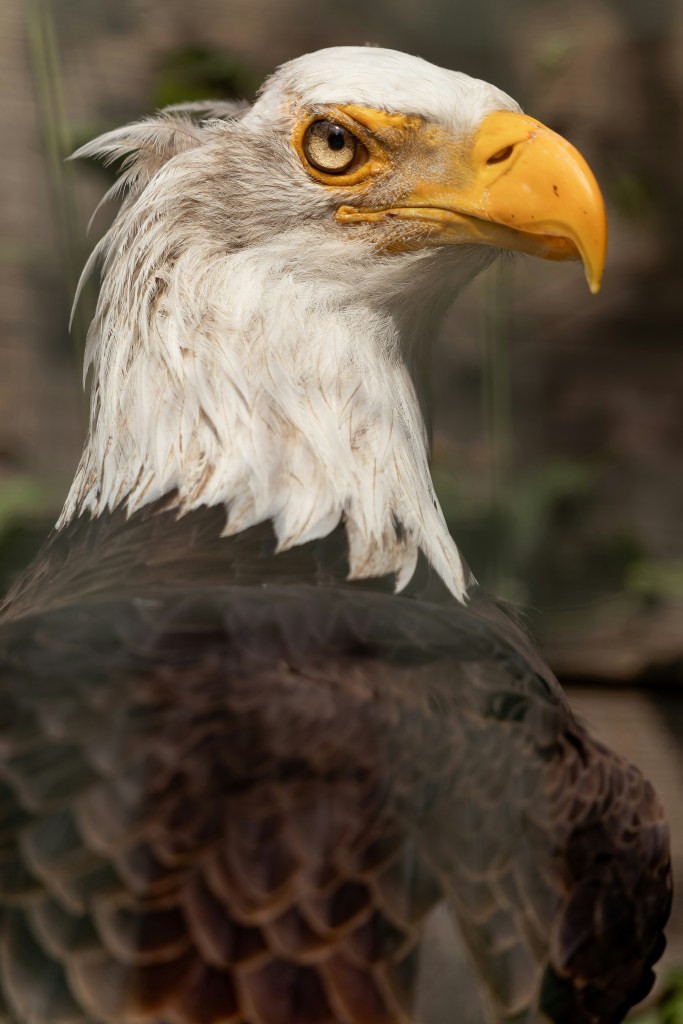
Unsure of what he said, Sothern turned his head and noticed a handsome and mighty eagle sitting on the young soldier’s chest. The eagle’s beak was of the brightest gold, its head the crispest white. The spread of its graceful wings was awe-inspiring and unforgettable.
Sothern exchanged a wonderous smile with the medic, feeling safe knowing everything would be okay. One day, a long time from now, his soul would be carried away on the wings of a beautiful bird.
“Thanks, Sarge,” he whispered

 Roly Andrews Storyteller